Your Trial-to-Paid Conversion Rate Isn't a Pricing Problem
churn and retention conversion analytics funnel analytics for SaaS funnel analytics SaaS analytics subscription analytics product behaviour tracking
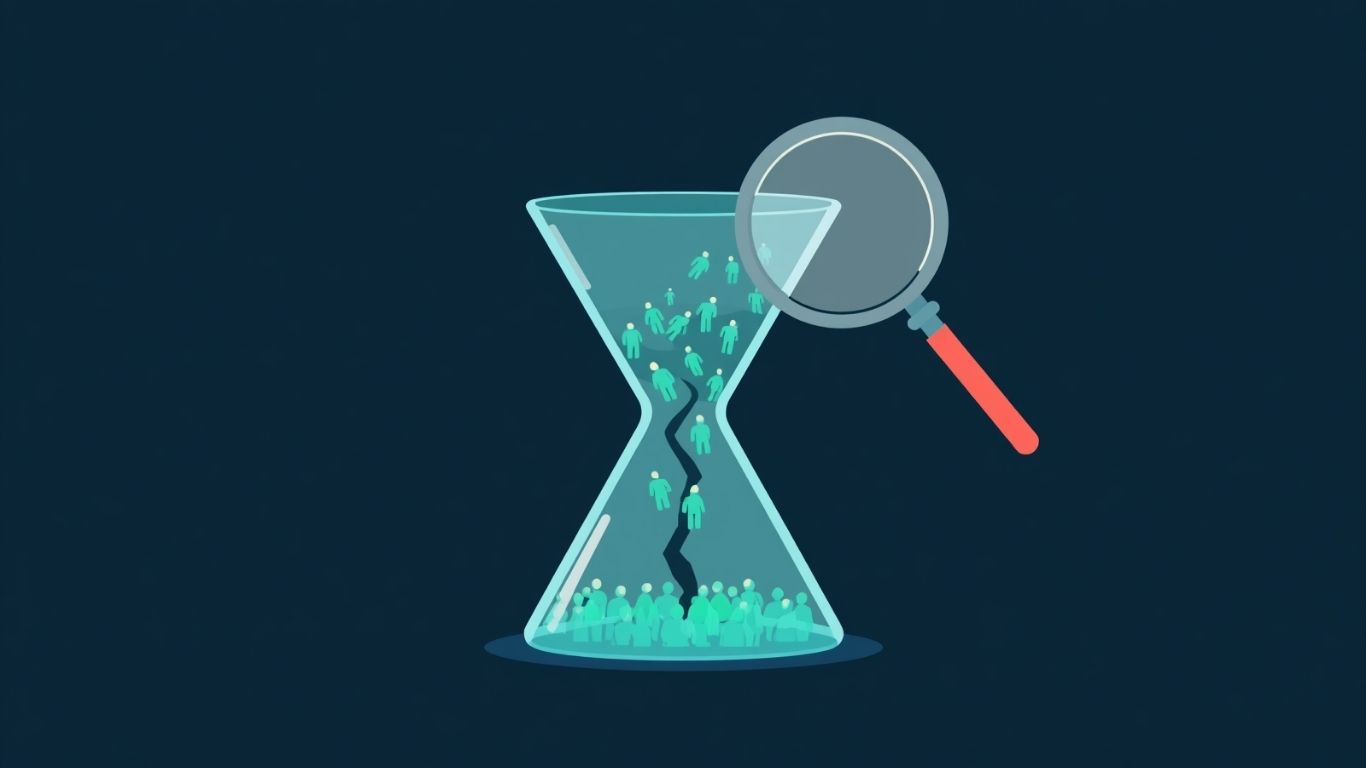
Every SaaS team has had this meeting... Trials are flat... Someone suggests dropping the price... Someone else wants to extend the trial from 14 days to 30... A third person floats a new discount. Everyone nods, something ships, and three months later the number hasn't moved. Sound familiar?
Here's the tricky part. Most of the time, none of those were the problem. Your trial-to-paid conversion rate is weak because you can't see where trials actually break.
The benchmark that puts it in perspective
Start with a reality check. The median SaaS free-trial conversion rate sits around 8%, and opt-in trials without a credit card often land in the 4 to 6% range. So most people who start a trial never pay. That's normal. It's also a huge pile of intent walking out the door every single week.
The instinct is to treat conversion as a pricing dial. Turn it down, more people buy. Sometimes that's true. Usually it isn't, because the people who quit your trial didn't leave over price. They left because they never got the product to do the one thing they came to see it do.
That's a value problem wearing a pricing costume.
When a team tells me their conversion is a pricing issue, my first question is always the same," says Ian Naylor, Founder of SaaSAnalytics.ai. "Show me where the trial dies. Nine times out of ten they can't, because their tools count signups and payments but nothing in between. They're optimising the two ends of a tunnel they've never actually looked inside.
You can't fix a leak you can't find.
Where trials really die
Picture a hundred people starting your trial on Monday. By Friday, most are gone. The question that matters is which Friday-gone group you're looking at, because there are three, and they need completely different fixes.
Some never got started. They signed up, hit a wall in setup, and bounced before they did anything. Some got started and stalled. They poked around, got confused somewhere specific, and drifted off without hitting the moment that makes the product click. And some got value and still didn't buy, which is the only group where price or packaging is genuinely the culprit.
Lump those three together and every fix you try is a guess. Drop the price for group one and you've changed nothing, because they never reached a price decision. Extend the trial for group two and you've just given confused people more days to stay confused. The single conversion number hides all of this, which is exactly why teams keep pulling the wrong lever.
The stat that should make this urgent: users who reach their aha moment within the first hour show 4 to 5x higher day-7 retention. The first hour. Not the first week. If your trial's first session doesn't get someone to value, the trial length was never the issue.
Speed to value beats length of trial
Here's a swap worth making in your head. Stop thinking "how long is the trial" and start thinking "how fast is the first win."
A 30-day trial where someone gets stuck on day one is a 30-day trial they abandon on day one. A 7-day trial where they hit value in ten minutes converts far better, because momentum carries them. The clock isn't your problem. The first ten minutes are.
This is where seeing the actual behaviour changes the game. When you can watch where trial users stall, you can fix the specific step instead of guessing at the whole funnel. That might mean AI-guided onboarding that adapts to each user rather than a static checklist everyone ignores. It might mean cutting three setup steps that nobody needed. You only know which by looking.
The relief on a founder's face when they finally see the drop-off point is something else," says Becky Halls, Strategist at SaaSAnalytics.ai. "One client was convinced their pricing was too high. We watched the trials and found 60% of them never connected their data source, which was step two of setup. Fix that one screen and suddenly the 'pricing problem' vanished. They'd spent months debating discounts over a broken button.
A broken button. Not a broken price.
Freemium has the same disease
If you run a freemium model instead of a trial, don't feel smug. Same story, different container.
The same visibility gap wrecks freemium too, where good free-to-paid conversion sits around 3 to 5% and great is 8 to 12%. Free users who never hit the value moment don't upgrade, and you can't tell which ones are stuck versus which ones are simply happy on the free tier. Without behaviour, the upgrade decision is a mystery every time.
An analyst at a product-growth firm summed it up at a recent talk: "Teams obsess over the checkout page and ignore the twenty steps before it. Conversion is decided long before anyone sees the pricing.
The checkout page is the last thing they see. Rarely the reason they leave.
What to do this week
You can start finding the real leak without rebuilding anything.
Map your trial as an ordered set of steps, from signup to first value to purchase, and put a number on each one. The step with the biggest drop is your leak, and it's almost never the last one. Then watch a handful of real sessions that stalled there, because the number tells you where and the sessions tell you why. Fix that single step, measure again, and move to the next. It's dull, it's methodical, and it works far better than another pricing debate.
This is the whole reason SaaSAnalytics.ai exists. One snippet captures the full trial path, so you see exactly where users stall, watch the sessions that explain it, and stop guessing at your conversion rate. No stitching five tools together. No waiting a quarter for an answer that behaviour could have told you in an afternoon.
Your trials are trying to tell you something every week. Most teams never listen, because their tools were built to count outcomes, not to show the path. Turn that visibility on and the "pricing problem" usually turns out to be a fixable moment somewhere in the middle. Start free, watch one week of trials, and see what your funnel's been hiding.
The number won't move because you argued about it. It moves when you finally see inside it.
FAQ
What is a good trial-to-paid conversion rate? It depends on the trial type. Opt-in trials with no credit card often convert at 4 to 6%, with 10 to 15% being strong. Trials that require a card upfront convert much higher, sometimes 25% or more, because they pre-qualify intent. The overall SaaS median sits near 8%.
Why is my trial-to-paid conversion rate low? Usually because trial users never reach the product's value moment, not because your price is wrong. Signups that stall in setup or get stuck partway through never make it to a real buying decision. Without visibility into where they drop off, most teams misdiagnose it as a pricing issue.
Should I make my free trial longer to improve conversion? Rarely helps on its own. If users get stuck early, more days just means more time stuck. Speed to first value matters far more than trial length, since users who hit their aha moment in the first hour retain 4 to 5x better. Fix the first session before you touch the calendar.
Trial or freemium, which converts better? Neither wins automatically. Time-limited trials tend to convert a higher share of starters, while freemium reaches more people at lower conversion. Both suffer the same core problem, users who never reach value don't pay, so both live or die on how clearly you can see the path to the value moment.
How do I find where trials are dropping off? Break the trial into ordered steps, from signup to first value to purchase, and measure conversion at each one. The biggest drop is your leak. Then watch real sessions that stalled there to understand why, and fix that specific step before moving to the next.
How does SaaSAnalytics.ai improve trial-to-paid conversion? It captures the full trial path from one snippet, so you can see the exact step where users stall, review the sessions behind the drop, and fix the real friction instead of guessing. You get clean funnel visibility without stitching multiple tools together.