The Customer Win-Back Campaign Most SaaS Teams Never Bother to Run
behaviour analytics churn and retention SaaS analytics SaaS UX analytics user journey analytics user behavior analytics
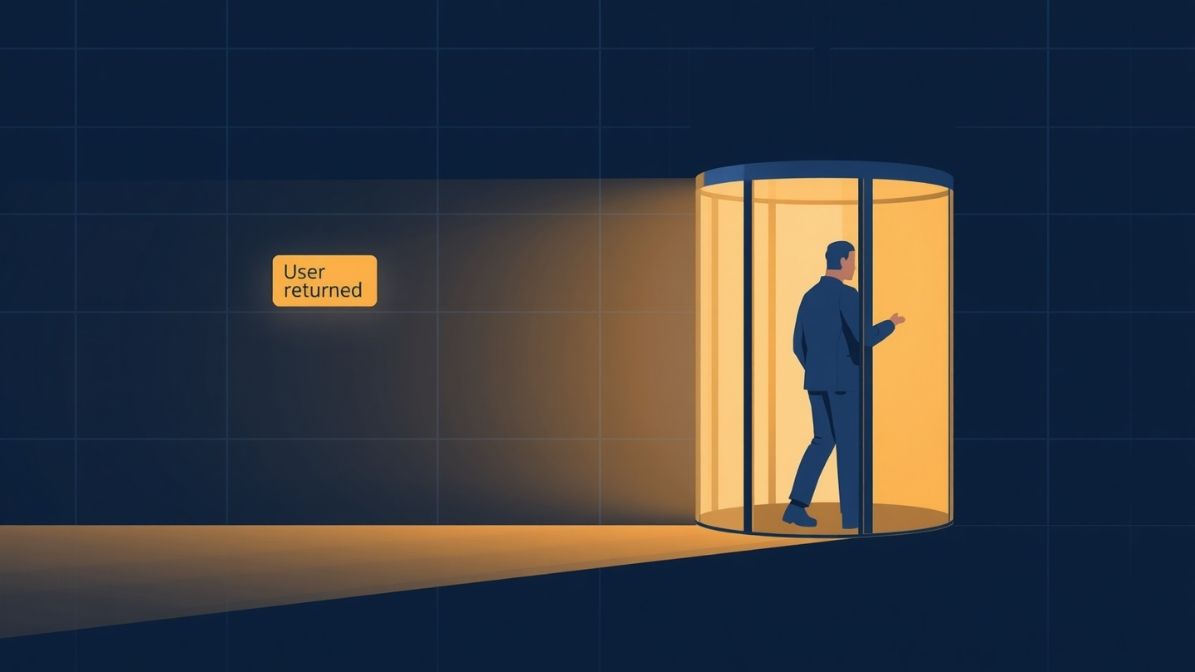
Someone cancelled last month, and you probably sent one polite "sorry to see you go" email, filed them under lost, and moved on to chasing new strangers on the internet.
That's the mistake. Right there.
The person who already knew your product, paid you real money, and left for a reason you can probably fix is worth more than a cold lead who's never heard of you. Cheaper to reach. Quicker to convert. Already halfway sold. And most SaaS teams treat them like they're gone forever, which is how a customer win-back campaign becomes the easiest growth lever nobody's pulling.
Let's fix that.
Why churned users are your cheapest customers
Start with the money, because the money is stark.
Winning a brand-new customer runs roughly five to seven times more expensive than reactivating a lapsed one. Think about why. A cold prospect needs the whole slog: awareness, trust, a demo, the "is this even legit" wobble. A former customer skips almost all of it. They've logged in. They've felt the value. They know your onboarding and your support and your invoice.
So you're not selling from zero. You're reopening a door that's still on its hinges.
And this isn't a niche play anymore. Recurly reported that one in four new subscriptions now come from a previously cancelled subscriber. A quarter of new revenue, coming from people companies had already written off. That's not a rounding error. That's a channel.
The front door is getting harder too. Acquisition costs keep climbing, ad targeting got worse when the cookies died, and every category is more crowded than it was two years ago. Meanwhile your back door has a queue of people who already liked you standing right outside it.
The reason it doesn't happen
If it's this good, why does almost nobody do it well? One word. Visibility.
Most teams genuinely cannot see who left, when, or why. The cancellation lives in the billing tool. The usage decline that came before it lives in the product analytics. The support ticket that hinted at frustration lives somewhere else entirely. Nobody's stitched those together, so "who should we win back and what do we say" has no answer that isn't a guess.
So the campaign never gets built. Not because it wouldn't work. Because the data to aim it lives in four places and lining them up by hand is nobody's job.
We see this constantly! A company will spend a fortune on ads to replace churned users while completely ignoring the churned users themselves. Not because they're lazy. Because they literally can't see them as a group. The cancel event is in Stripe, the drop-off is in the product, the last email is in the CRM, and connecting all that is a project nobody owns. So it doesn't get done, and a pile of recoverable revenue just sits there going cold. When you can see the whole path in one place, this stops being hard and starts being obvious. Ian Naylor, SaaSToolkit
Obvious is the right word. The hard part was never the campaign. It was the seeing.
Timing beats cleverness
Here's a thing most win-back advice gets wrong. It obsesses over the offer and ignores the clock.
The best time to win someone back is often before they've fully left. The account that's logging in half as much, ignoring the feature they used to live in, letting seats go quiet. That's a customer drifting, and drifting is far easier to reverse than gone. This is where an early-warning score that flags accounts before they fade earns its keep. You reach out while there's still a relationship to save, not two weeks after the card expired.
For the ones who do leave, timing still rules. A win-back the day after cancellation feels needy. One six months later feels random. The sweet spot usually sits in that 30 to 90 day window, when the pain that made them leave has faded but the memory of what worked hasn't.
And the trigger should be the behaviour, not the date. Don't blast every lapsed user on the first of the month. Fire the message off the behaviour, not the calendar: they came back to the site, they opened the pricing page, they clicked a changelog email. That's someone leaning back in. Meet them there.
The campaigns that flop are the ones that treat every churned customer the same," says Sofia Reyes, a lifecycle marketing lead who's run reactivation programmes for several B2B products. "One generic 'we miss you, here's 20% off' to the whole list. It reads as desperate and it trains people to wait for the discount. The ones that work are specific. They reference what the person actually used, they solve the reason that person actually left, and they land when that person is actually showing a flicker of interest. You can only do that if your data knows the difference between them. Segment first, then speak.
Segment first. Then speak. Tape that to the wall.
What a win-back that works looks like
Skip the big discount as your opening move. It's the laziest lever and it cheapens everything.
Lead with what changed instead. "You left because the reporting was thin. We rebuilt it. Here's the exact feature you asked for." That's a reason to come back that respects why they went. Match the message to the exit reason and your response rate climbs, because you're answering a real objection rather than bribing past it.
Keep it short. A win-back sequence is two or three touches, not ten. A nudge, a reason, a soft door held open. If they don't bite, let them go warm rather than nagging them cold.
Reactivation is the clearest test of whether your data actually works for you. It forces you to answer three questions at once. Who left, why, and are they showing any sign of coming back. If you can answer those in a few clicks, your setup is doing its job. If answering them means a week of exporting spreadsheets and arguing about definitions, that's your real problem, and no clever email is going to fix it. Get the single view of the customer sorted, and win-back campaigns almost run themselves. Becky Halls, Strategist SaaSToolkit.ai
Almost run themselves. That's the goal worth building toward.
Where SaaSToolkit comes in
This whole thing hinges on one capability. Seeing the full customer in one place.
SaaSToolkit pulls behavioural, referral and revenue data together from a single JavaScript snippet, so the cancel event, the usage drop-off and the return visit all sit in the same view instead of four disconnected tools. From there you can spot fading accounts early, group lapsed users by why they left, and trigger the right message off real behaviour, all without stitching anything together by hand.
That's the difference between a win-back campaign that stays a nice idea and one that actually ships. Your churned users aren't gone. They're just out of view. Bring them into view and the cheapest growth you've got is sitting right there.
Want to see who you could be winning back? Drop the SaaSToolkit snippet on your app and watch the full path, from first visit to cancel to comeback, in one place. Start free and find your revenue.
FAQ
What is a customer win-back campaign? It's a targeted effort to re-engage users who have cancelled, lapsed, or gone quiet, and bring them back to an active, paying relationship. Done well, it segments those users by why they left and reaches them when they show signs of interest, rather than blasting one generic offer at everyone who ever churned.
Why are win-back campaigns worth running? Because reactivating a former customer costs a fraction of acquiring a new one, often five to seven times less, and they convert faster because they already know your product. For many SaaS businesses, previously cancelled users have quietly become one of the biggest sources of new subscriptions.
When should I send a win-back message? Timing matters more than the offer. Reach fading accounts before they fully churn using early-warning signals, and for those who've left, the 30 to 90 day window usually works best. Better still, trigger the message off behaviour, like a return visit or a pricing-page view, rather than a fixed calendar date.
Should a win-back campaign lead with a discount? Not as your first move. A discount trains people to wait for one and cheapens your product. Lead with what changed or with a fix for the reason they left, then use an incentive sparingly if you need a final nudge.
Why do most SaaS teams struggle with win-back? Visibility. The cancellation, the usage decline and the support history usually live in separate tools, so nobody can see churned users as a targetable group with clear reasons for leaving. Without that connected view, the campaign is guesswork and it rarely gets built.
How does SaaSToolkit help with win-back? It captures behavioural, referral and revenue data from one snippet, so cancellations, usage drop-off and return visits sit in a single view. That lets you flag fading accounts early, segment lapsed users by exit reason, and automate the right message off real behaviour, which is exactly what a win-back campaign needs to work.